
NASA has sent three smart phones into space, using the consumer-grade gadgets to snap photos of our planet and beam the data back to Earth.

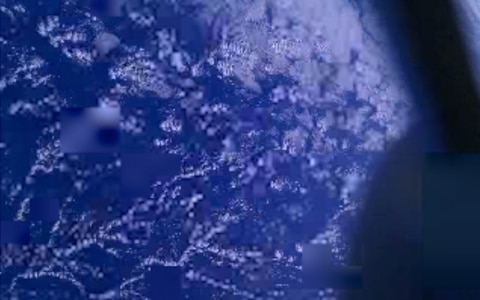
While in space, the three phones -- dubbed Alexander, Graham, and Bell -- took multiple pictures and transmitted "image-data packets" containing tiny pieces of the big picture to ground stations over amateur radio bands.
PhoneSat scientists and hobbyists alike then went to work piecing the data packets together to reveal the image you're seeing now. The "citizen scientists" contributed over 300 data packets within three days.
"During the short time the spacecraft were in orbit, we were able to demonstrate the smartphones' ability to act as satellites in the space environment," said Bruce Yost, the program manager for NASA's Small Satellite Technology Program.
The phones, having done their duty, did not make it back to Earth. Strong enough to transmit from space but not strong enough to withstand re-entry into Earth's atmosphere, they were burnt to a crips before touchdown.
“The NASA PhoneSat Team would like to acknowledge how grateful we are to the amateur radio community for contributing to the success of this mission,” said Oriol Tintore, an engineer and a member of the PhoneSat Team at Ames who participated in the picture data processing.

No comments:
Post a Comment